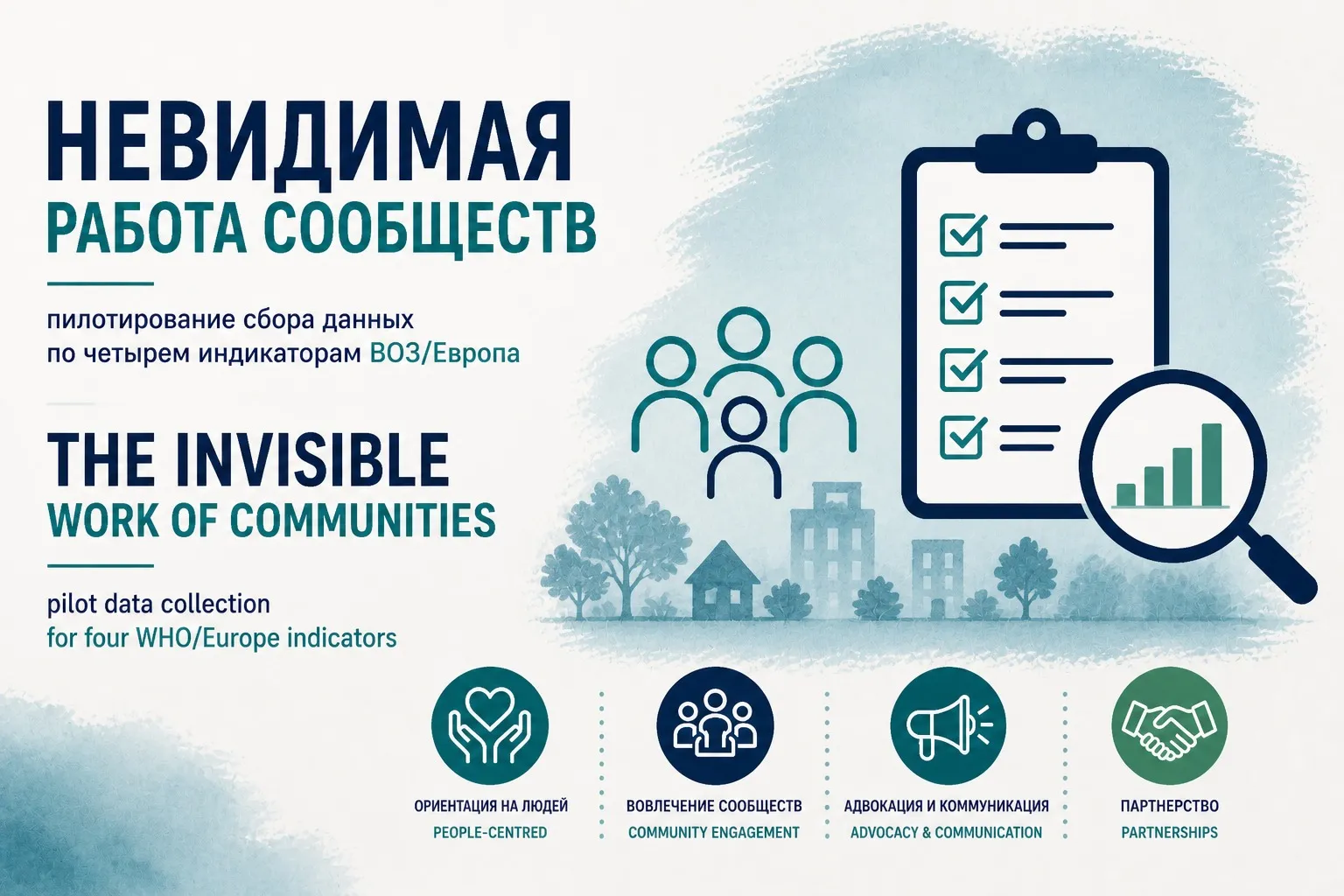
The organization “Sağlamlığa Xidmət,” with the support of the TB Europe Coalition, conducted a pilot data collection in Azerbaijan on four new indicators developed by the WHO Regional Office for Europe to measure the contribution of communities to the TB response.
These indicators measure:
o Number of Member States with adopted standards and operational procedures for civil society organizations (CSOs) in the provision of psycho-social support services to ensure treatment adherence for people with TB.
o Number of Member States with adopted procedures of subcontracting mechanisms under the state funds or other relevant funding mechanisms for CSOs in the provision of psycho-social support and active case-finding services for people with TB.
o Proportion of people with TB found through active case-finding activities implemented through CSOs.
o Proportion of people with TB who started TB treatment and who received any form of treatment adherence support from CSO (including psycho-social support).
The pilot data collection in Azerbaijan demonstrated that the national monitoring system captures figures significantly lower than the actual contribution of communities. Despite the active role of communities and CSOs in detecting and supporting people with TB, the system reflects that only 0.4% of TB cases are identified through community efforts, and only 1.4% of people with TB receive support from CSOs and communities.
These findings once again highlight the importance of integrating the new WHO/Europe indicators into routine national monitoring systems, so that the real contribution of communities and CSOs can be adequately reflected in the national TB response.
Overall, the pilot revealed several systemic barriers to the meaningful engagement of communities and CSOs in the national TB response, including:
· Lack of integration of CSO data into national information systems (including eTB)
· Absence of mechanisms to formally recognize and verify the role of communities in case detection and patient support
· Limited and unstable funding for civil society initiatives
· Administrative barriers, including requirements to participate in public procurement processes
· Underdeveloped social contracting mechanisms
To address these barriers, national partners proposed the following priority actions to strengthen the role of communities:
· Integration of WHO/Europe indicators into national monitoring systems
· Inclusion of data on community engagement in electronic TB registries
· Ensuring sustainable financing for community-delivered services
· Strengthening the legal framework for social contracting
· Investing in the capacity development of civil society organizations
A key opportunity for transformative change in the country is the adoption of the new National TB Strategic Plan for 2026–2030, which not only recognizes the role of communities but also aims to ensure its systematic support.